
"Addis Ababa coffee"
500 article(s) found
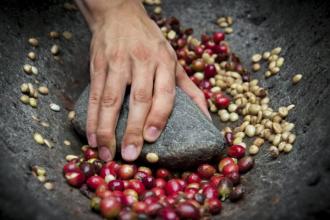
With unique natural conditions, Ethiopian coffee flavor, characteristics, taste and manor introduction
Ethiopia has unique natural conditions suitable for growing all imaginable varieties of coffee. As a upland crop, Ethiopian coffee beans are mainly grown in areas between 1100 and 2300 meters above sea level, roughly distributed in southern Ethiopia. Deep soil, well drained soil, weakly acidic soil, laterite and soil are soft and contain

Introduction to the characteristics of coffee flavor and taste varieties in Yega Fischer Manor, Ethiopia
Haile Selassie was made regent in 1916 and became king in 1928. On November 2, 1930, he was crowned Emperor Haile Selassie I. In 1936, Italy invaded again, occupied Addis Ababa, conquered Ethiopia, and Selassie went into exile in London. The allies defeated Italy in 1941 and Selassie I returned home on May 5 of the same year. After the domestic coup in 1974

Country: water washing treatment variety Heirloom in G2 Sidamo, Ethiopia
Today, there are still a large number of wild Arabica coffee trees growing in many parts of Ethiopia, averaging between 4200 and 6800 feet above sea level. Now there is a trend of small cultivation, generally planting banana trees for shade at the same time, but due to lack of agricultural technology, herbicides and pesticides are less used. Coffee is Ethiopia's main economic crop and the largest in the country.

Variety characteristics of fermented Natural Solar Ethiopian Coffee introduction to Fine Coffee Bean in Manor
Ethiopia has unique natural conditions suitable for growing all imaginable varieties of coffee. As a upland crop, Ethiopian coffee beans are mainly grown in areas between 1100 and 2300 meters above sea level, roughly distributed in southern Ethiopia. Deep soil, well drained soil, weakly acidic soil, laterite and soil are soft and contain
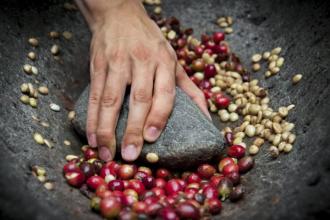
Taste characteristics of Solar fermented Natural Ethiopian Coffee introduction to Fine Coffee Bean in Manor
Ethiopia has unique natural conditions suitable for growing all imaginable varieties of coffee. As a upland crop, Ethiopian coffee beans are mainly grown in areas between 1100 and 2300 meters above sea level, roughly distributed in southern Ethiopia. Deep soil, well drained soil, weakly acidic soil, laterite and soil are soft and contain

Natural fermentation, mellow and sun-dried Ethiopian coffee flavor, characteristics, taste and manor introduction
Ethiopia has unique natural conditions suitable for growing all imaginable varieties of coffee. As a upland crop, Ethiopian coffee beans are mainly grown in areas between 1100 and 2300 meters above sea level, roughly distributed in southern Ethiopia. Deep soil, well drained soil, weakly acidic soil, laterite and soil are soft and contain

A brief introduction to the cultivation of Fine Coffee in Xidamo Shaqiso, Ethiopia, Climate and altitude
It is worth mentioning that most of the coffee in Central and South America is imported, but Ethiopia is a rare native place, and there are countless native wild varieties that have not yet been discovered. Of the nine major coffee producing areas in Ethiopia, Hidamo and Yegashafi are the most outstanding. Yega Xuefei originally belongs to the sub-region of Hidamo, which is independent because of its special flavor. Rich and complex fruit aromas

Characteristics of natural fermented, mellow and insolated Ethiopian coffee varieties taste manor boutique coffee bean flavor
Ethiopia has unique natural conditions suitable for growing all imaginable varieties of coffee. As a upland crop, Ethiopian coffee beans are mainly grown in areas between 1100 and 2300 meters above sea level, roughly distributed in southern Ethiopia. Deep soil, well drained soil, weakly acidic soil, laterite and soil are soft and contain
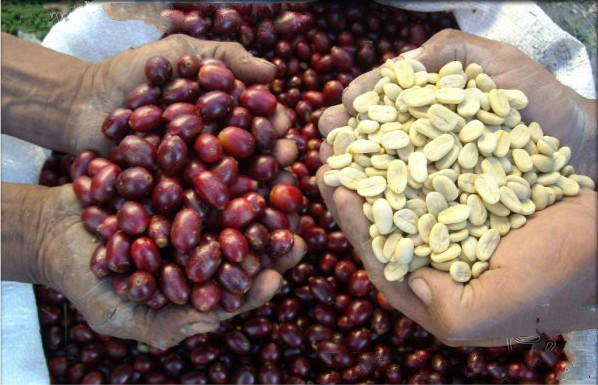
African Coffee Ethiopia sidamo Sidamo G2 Grade Water washing processed Fine Coffee cooked beans
Sidamo Washed G2 countries: Ethiopia Grade: G2 production areas: Sidamo production areas treatment: washed varieties: Heirloom Flavor: wild Ginger Flower, Honey, Citrus, Lemon there are still a large number of wild Arabica coffee trees growing in many parts of Ethiopia, with an average of 4200-6800 feet above sea level.

Introduction to the unique and mellow coffee flavor and taste characteristics of Ethiopia's Xida Motede Manor.
Monlinique I reigned in 975 BC. The Kingdom of Nubia was established in the 8th century BC. From the 1st century to 976 AD, the Ethiopian Empire, also known as the Kingdom of Aksum, was established in Aksum in the north. Christianity was introduced into Ethiopia in the 4th and 5th century. From the 12th century to 1270, the Zagvi dynasty was established. In 1270, the Abyssinian Empire was established. [3] Western colonialism

Introduction of Sidamo Coffee producing area introduction of Sidamo Coffee Flavor
For the exchange of professional baristas, please pay attention to the coffee workshop (Wechat official account cafe_style). The coffee flavor of Sidamo is very diverse, and different soil types, microclimate and countless native coffee species make the coffee produced in each town have obvious differences and characteristics. The selected batch is excellent in flavor and has won the authority of the United States in succession.

Ethiopian Yegashefi Aduo Coffee with rich body Flavor Characteristics
Ethiopia is an ancient civilization with a history of 3,000 years. The Hamites, who migrated from the south of the Arabian Peninsula, were the earliest inhabitants. Monnique I became king in 975 BC. In the 8th century BC, the Kingdom of Nubia was established. From the 1st century to 976 AD, the Ethiopian Empire was established in Aksum in the north, also known as the Kingdom of Aksum. Christianity was introduced to Ethiopia in the 4th and 5th centuries.

Introduction of high-quality coffee beans with flavor and taste in Xidamo Shachiso producing area of Ethiopia
Ethiopia is an ancient country with a history of 3000 years of civilization. The Hamite people who immigrated from the southern Arabian Peninsula were the earliest inhabitants. Monlinique I reigned in 975 BC. The Kingdom of Nubia was established in the 8th century BC. From the 1st century to 976 AD, the Ethiopian Empire, also known as the Kingdom of Aksum, was established in Aksum in the north. Christianity was introduced into Ethiopia in the 4th and 5th centuries.

Introduction of Rose Xia Village (Geisha Village) Manor Sun Sun Geisha Flavor description of Rose Xia Village in Ethiopia
Professional coffee knowledge exchange more coffee bean information please follow the coffee workshop (Wechat official account cafe_style) Rose Summer Coffee description [coffee blossom, peach, lemon black tea tail rhyme] Columbia Hope Manor Geisha | washed beans (Washed Geisha La Esperanza Colombia) producing area / Manor: Valle de Cauca/ Hope Manor (La Esperanza)

An in-depth understanding of the original intention of the establishment of Gesha Gesa Manor, an endless stream of 90 + boutiques.
In 2011, Ninty plus began developing a 500-hectare coffee farm in Gesha, Ethiopia, with a vision in mind: to produce the best coffee in the world. After a thorough search, according to strict altitude criteria (1900-2100 MASL), adequate rainfall, temperature patterns, rich virgin forest soil, old growing trees

Full-bodied jasmine fragrance Yega Chuefei Adordo Coffee Flavor Taste
March 1988, rebel activities of the Eritrean people's Liberation Front (EPLF) and Tigre people's Liberation Front (TPLF) launched an attack on government forces, a large-scale civil war broke out. In 1989, the Eritrean people's Liberation Front occupied most of Eritrea's province. On May 28, 1991, EGF troops, mainly from the people's Liberation Front of Tigre, entered Addis Ababa, Menges.

Variety characteristics of naturally fermented sun-cured Ethiopian coffee introduction to the flavor of fine coffee beans in the manor
Ethiopia has unique natural conditions suitable for growing all imaginable varieties of coffee. As a upland crop, Ethiopian coffee beans are mainly grown in areas between 1100 and 2300 meters above sea level, roughly distributed in southern Ethiopia. Deep soil, well drained soil, weakly acidic soil, laterite and soil are soft and contain

Taste characteristics of natural Ethiopian coffee fermented in the sun introduction to the flavor of fine coffee beans in the manor
Ethiopia has unique natural conditions suitable for growing all imaginable varieties of coffee. As a upland crop, Ethiopian coffee beans are mainly grown in areas between 1100 and 2300 meters above sea level, roughly distributed in southern Ethiopia. Deep soil, well drained soil, weakly acidic soil, laterite and soil are soft and contain

Fresh and bright Ethiopian Yerga Shefi Addo Coffee Flavor Manor Introduction
Haile Selassie was made regent in 1916 and king in 1928. He was crowned Emperor Haile Selassie I on 2 November 1930. In 1936, Italy invaded again, occupied Addis Ababa, conquered Ethiopia, and Selassie went into exile in London, England. Italy was defeated by the Allies in 1941, and Selassie I was restored on May 5 of the same year. After the 1974 coup d'état

Introduction to the characteristics of High-quality Coffee in the Flavor Manor of Xidamo Chiso Coffee, Ethiopia
Ethiopia is an ancient country with a history of 3000 years of civilization. The Hamite people who immigrated from the southern Arabian Peninsula were the earliest inhabitants. Monlinique I reigned in 975 BC. The Kingdom of Nubia was established in the 8th century BC. From the 1st century to 976 AD, the Ethiopian Empire, also known as the Kingdom of Aksum, was established in Aksum in the north. Christianity was introduced into Ethiopia in the 4th and 5th centuries.